

What is the chemical resistance of a plastic lid knob?
As a lid knob supplier, I've encountered numerous inquiries about the chemical resistance of plastic lid knobs. This topic is crucial, especially for industries where these knobs are exposed to various chemicals. In this blog, I'll delve into the concept of chemical resistance in plastic lid knobs, exploring the factors that influence it and its practical implications.
Understanding Chemical Resistance
Chemical resistance refers to a material's ability to withstand the effects of chemicals without significant degradation. For plastic lid knobs, this means that they can maintain their physical and mechanical properties when in contact with different substances. The resistance of a plastic lid knob to chemicals depends on several factors, including the type of plastic used, the nature of the chemicals, and the duration and conditions of exposure.
Types of Plastics Used in Lid Knobs
There are several types of plastics commonly used in the production of lid knobs, each with its own chemical resistance properties.
- Polypropylene (PP): Polypropylene is a widely used plastic in lid knob manufacturing. It has good chemical resistance to many acids, alkalis, and organic solvents. PP is resistant to corrosion and can withstand a wide range of temperatures, making it suitable for various applications. For example, in the food industry, PP lid knobs can be used on containers that hold acidic or alkaline foods without fear of chemical reactions.
- Polyethylene (PE): Polyethylene is another popular choice for lid knobs. It is known for its excellent resistance to water, acids, and many organic solvents. PE is also relatively inexpensive and easy to process, making it a cost - effective option for many applications. However, it may not be as resistant to some strong oxidizing agents as other plastics.
- Polystyrene (PS): Polystyrene is a rigid plastic that is often used for decorative or lightweight lid knobs. It has moderate chemical resistance, but it can be easily attacked by some organic solvents, such as acetone. PS is commonly used in applications where the lid knob is not exposed to harsh chemicals.
Factors Affecting Chemical Resistance
- Chemical Concentration: The concentration of the chemical plays a significant role in determining the chemical resistance of a plastic lid knob. Higher concentrations of chemicals are more likely to cause damage to the plastic. For example, a low - concentration acid solution may have little effect on a PP lid knob, but a high - concentration acid could cause the plastic to swell or degrade over time.
- Temperature: Temperature can also affect the chemical resistance of plastic lid knobs. Higher temperatures generally increase the rate of chemical reactions, which means that a plastic knob may be more susceptible to chemical damage at elevated temperatures. For instance, if a lid knob is exposed to a hot chemical solution, the plastic may soften or lose its mechanical strength more quickly.
- Exposure Time: The longer a plastic lid knob is exposed to a chemical, the greater the chance of damage. Even a relatively resistant plastic may eventually degrade if it is in contact with a chemical for an extended period. For example, if a lid knob is left in a chemical - filled container for months, it may show signs of wear and tear.
Practical Implications
The chemical resistance of plastic lid knobs has important practical implications in various industries.

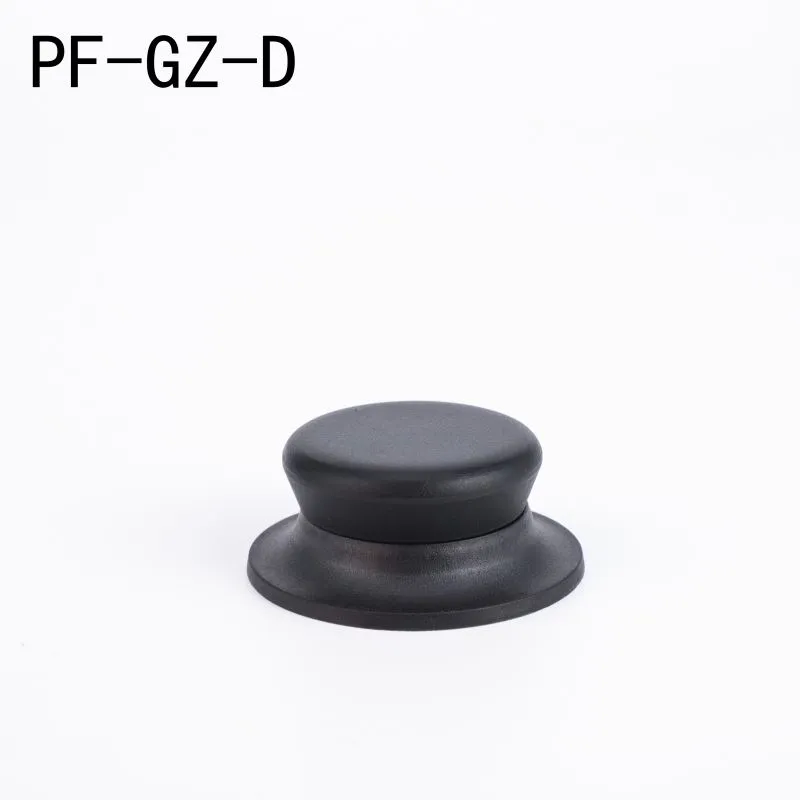
- Food Industry: In the food industry, lid knobs need to be resistant to a variety of food - related chemicals, such as acids, bases, and oils. For example, a Wok Lid Knob used on a wok lid should be able to withstand the high - temperature cooking environment and the contact with cooking oils and seasonings without degrading.
- Chemical Industry: In the chemical industry, plastic lid knobs are used on containers that hold various chemicals. The knobs must be able to resist the specific chemicals they come into contact with. For example, a Stainless Steel Lid Knob may be used in some cases, but plastic knobs can also be a cost - effective alternative if they have the appropriate chemical resistance.
- Household Applications: In household applications, lid knobs on storage containers may be exposed to cleaning agents, detergents, and other chemicals. A Glass Lid Knob may be used for aesthetic purposes, but plastic knobs are more common due to their affordability and durability. Plastic lid knobs should be able to withstand the chemicals used in daily cleaning without losing their functionality.
Testing Chemical Resistance
To ensure the chemical resistance of plastic lid knobs, manufacturers often conduct various tests. These tests involve exposing the knobs to different chemicals under controlled conditions and monitoring their physical and mechanical properties over time. Common tests include immersion tests, where the knobs are submerged in a chemical solution for a specific period, and spray tests, where the chemicals are sprayed onto the knobs.
Conclusion
The chemical resistance of plastic lid knobs is a critical factor in their performance and durability. By understanding the types of plastics used, the factors that affect chemical resistance, and the practical implications in different industries, we can make informed decisions when choosing lid knobs for specific applications.
If you're in the market for high - quality lid knobs with excellent chemical resistance, we're here to help. We offer a wide range of lid knobs, including Wok Lid Knob, Stainless Steel Lid Knob, and Glass Lid Knob. Contact us to discuss your specific requirements and start a procurement negotiation.
References
- Plastics for Engineers: A Practical Guide. By D. V. Rosato, M. G. Rosato, and D. V. Rosato.
- Handbook of Plastic Materials and Technology. By Irvin I. Rubin.